
https://www.igdb.com/games/elite-dangerous
https://www.steamgriddb.com/game/7145
Guides
https://steamcommunity.com/sharedfiles/filedetails/?id=3501779130
https://www.youtube.com/@dituriselite
An in-depth beginner’s guide to Elite Dangerous
Engineering Materials: https://wiki.antixenoinitiative.com/en/engineering-materials
Tools
https://edrefcard.info/
Hardware
https://www.amazon.co.uk/Dardoo-Simulator-Multifunctional-Thrustmaster-Detachable/dp/B0BZP8D9CS
Star Class
https://elite-dangerous.fandom.com/wiki/Stars
filters:
  and:
    - file.tags.contains("elite-dangerous")
views:
  - type: table
name: Table| Class | Description / Notes | Fuel-Scoopable | Rarity Within Type | Image |
|---|---|---|---|---|
| O | Class O type stars are the most luminous and massive main sequence stars in the galaxy. They range in mass from 15 to 90 solar masses and burn very brightly indeed, with a surface temperature reaching 52,000 K so appear very blue. They are very short lived with lifetimes of 1 - 10 million years, ending in supernova. Class O star systems rarely contain terrestrial bodies. One of the most likely to host a stellar nursery. | Yes | Very Rare (~0.2%) | 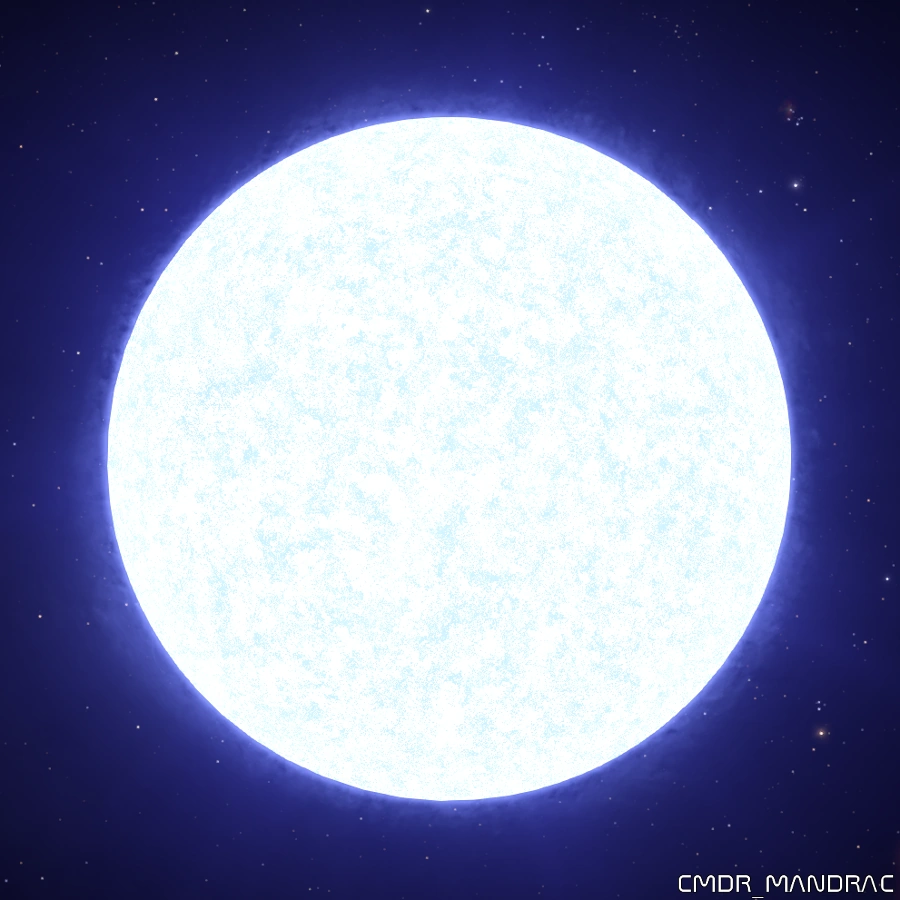 |
| B | Class B stars are very luminous blue-white stars. They range in mass from 2 to 16 solar masses and have a surface temperature reaching 30,000 K. Their lifetimes are shorter than most main sequence stars. Class B star systems rarely contain terrestrial bodies. One of the most likely to host a stellar nursery. | Yes | Rare (~1.7%) | 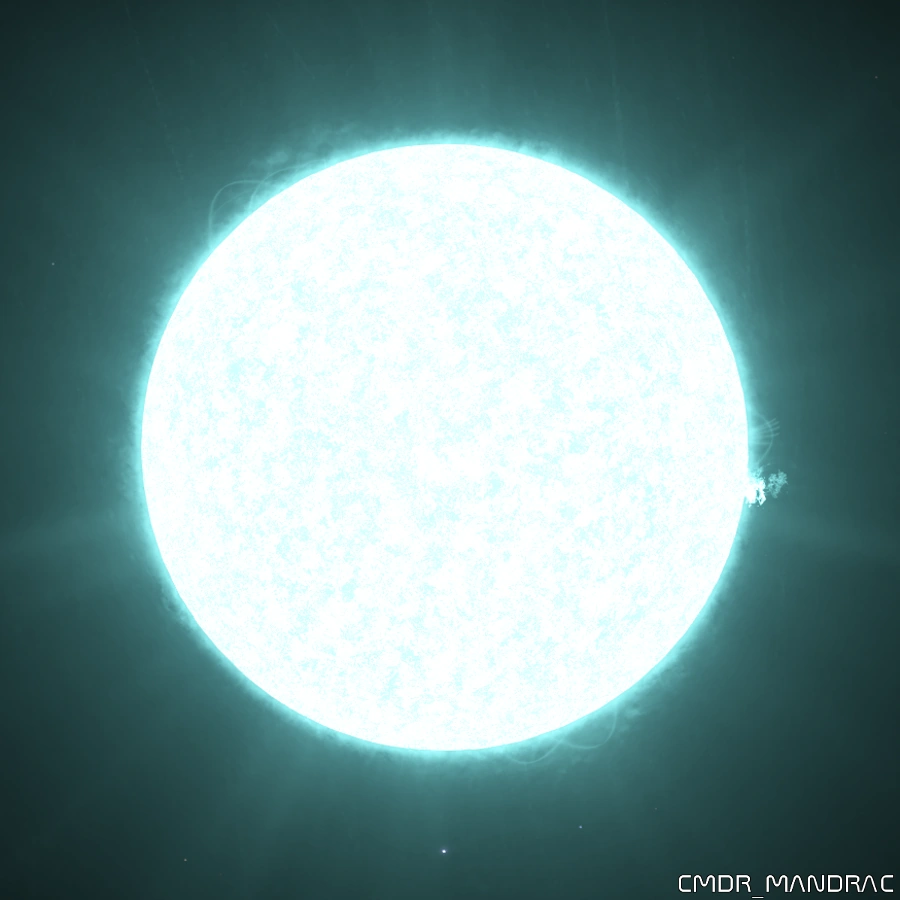 |
| A | Class A stars are hot white or bluish white main sequence stars. They range in mass from 1.4 to 2.1 solar masses and have a surface temperature reaching 10,000 K. Class A star systems often contain high metal content worlds and metal-rich bodies. | Yes | Uncommon (~6%) | 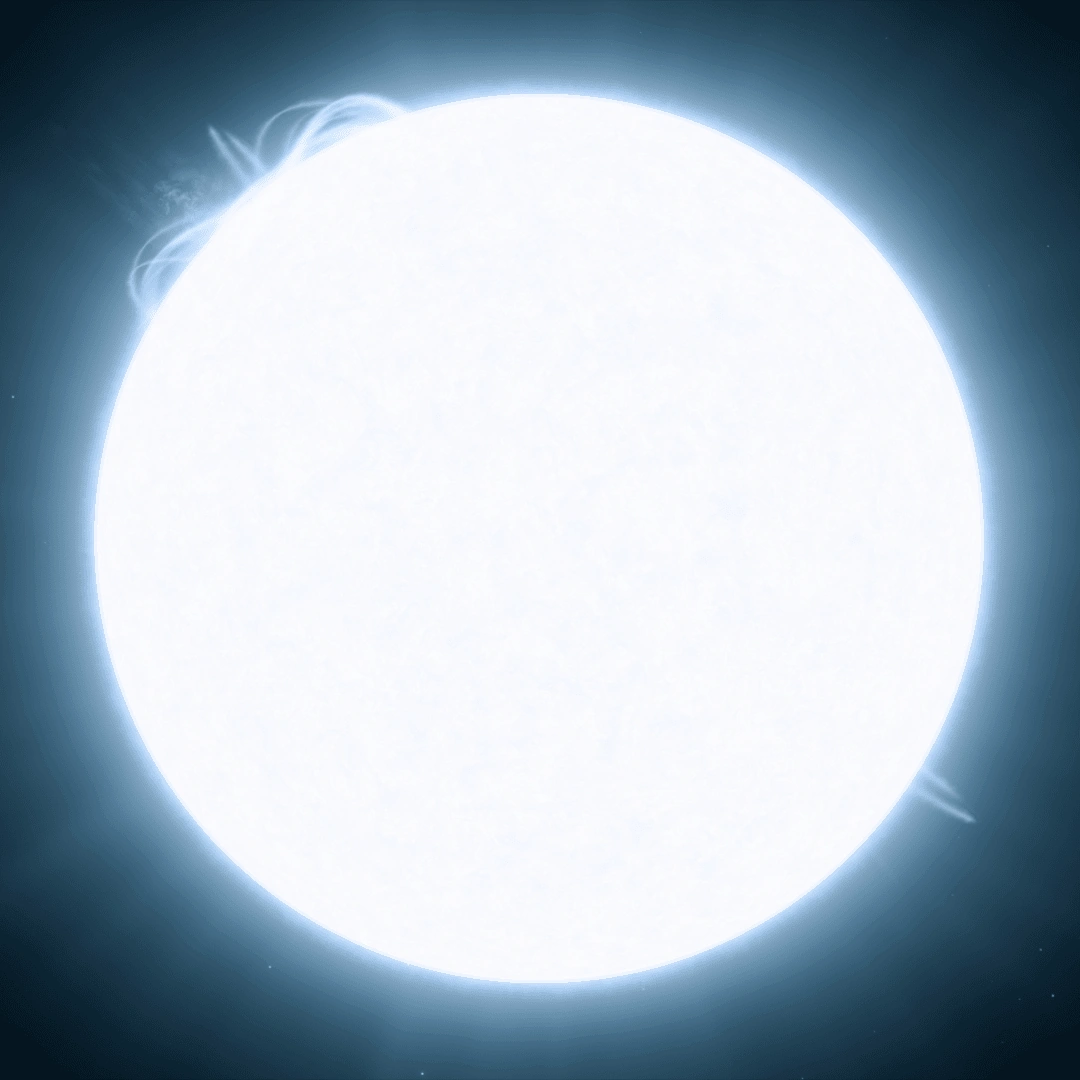 |
| F | Class F stars are white main sequence stars. They range in mass from 1 to 1.4 solar masses and have a surface temperature reaching 7,600 K. Class F star systems are one of the most likely to contain Earth-like worlds. | Yes | Common (~12%) | 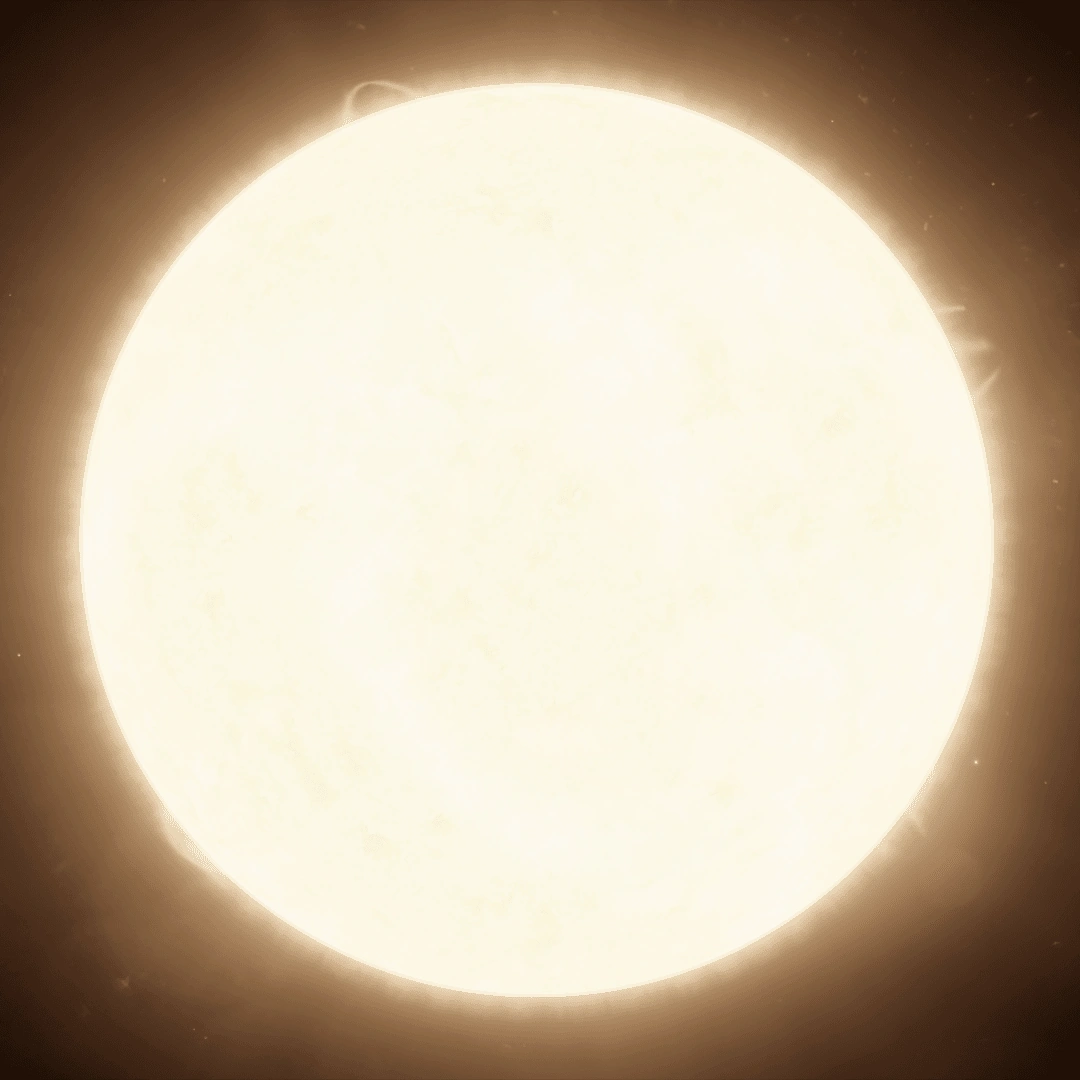 |
| G | Class G stars are white-yellow main sequence stars. They range in mass from 0.8 to 1.2 solar masses and have a surface temperature reaching 6,000 K. Class G star systems are one of the most likely to contain Earth-like worlds. | Yes | Common (~9%) | 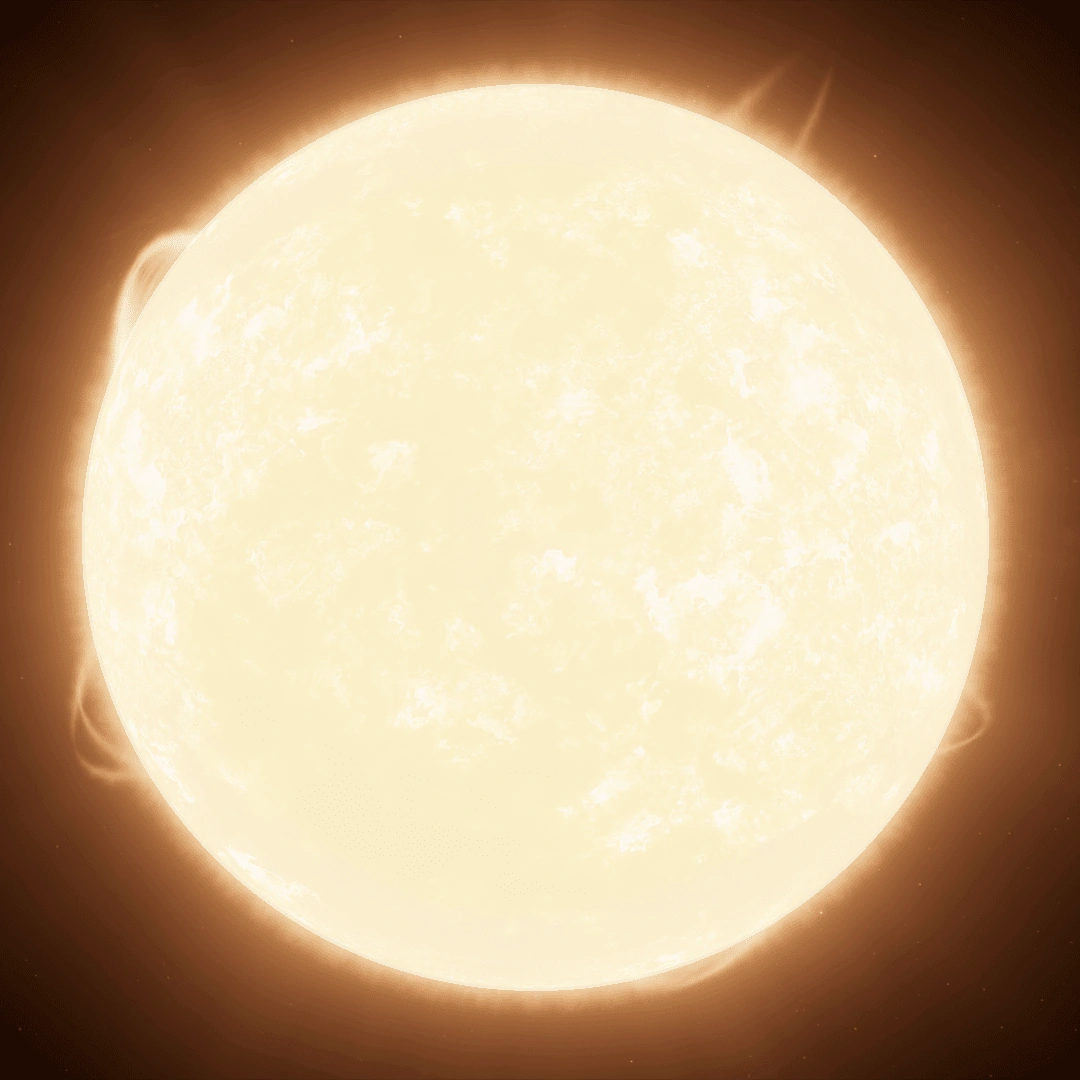 |
| K | Class K stars are yellow-orange main sequence stars with a long and generally stable life. They range in mass from 0.6 to 0.9 solar masses and have a surface temperature reaching 5,000 K. Class K star systems are the most likely to contain water worlds and rocky bodies. | Yes | Common (~25%) | 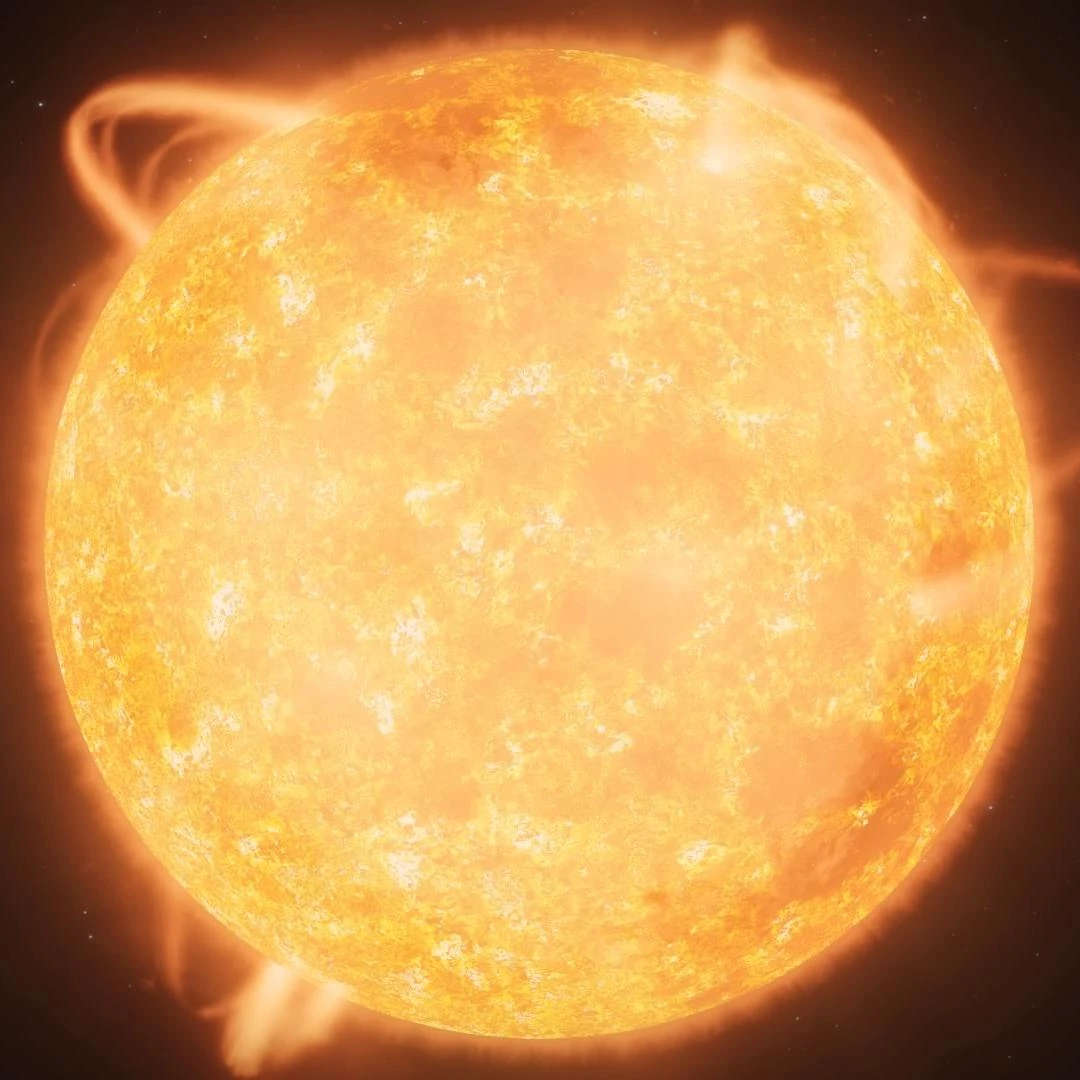 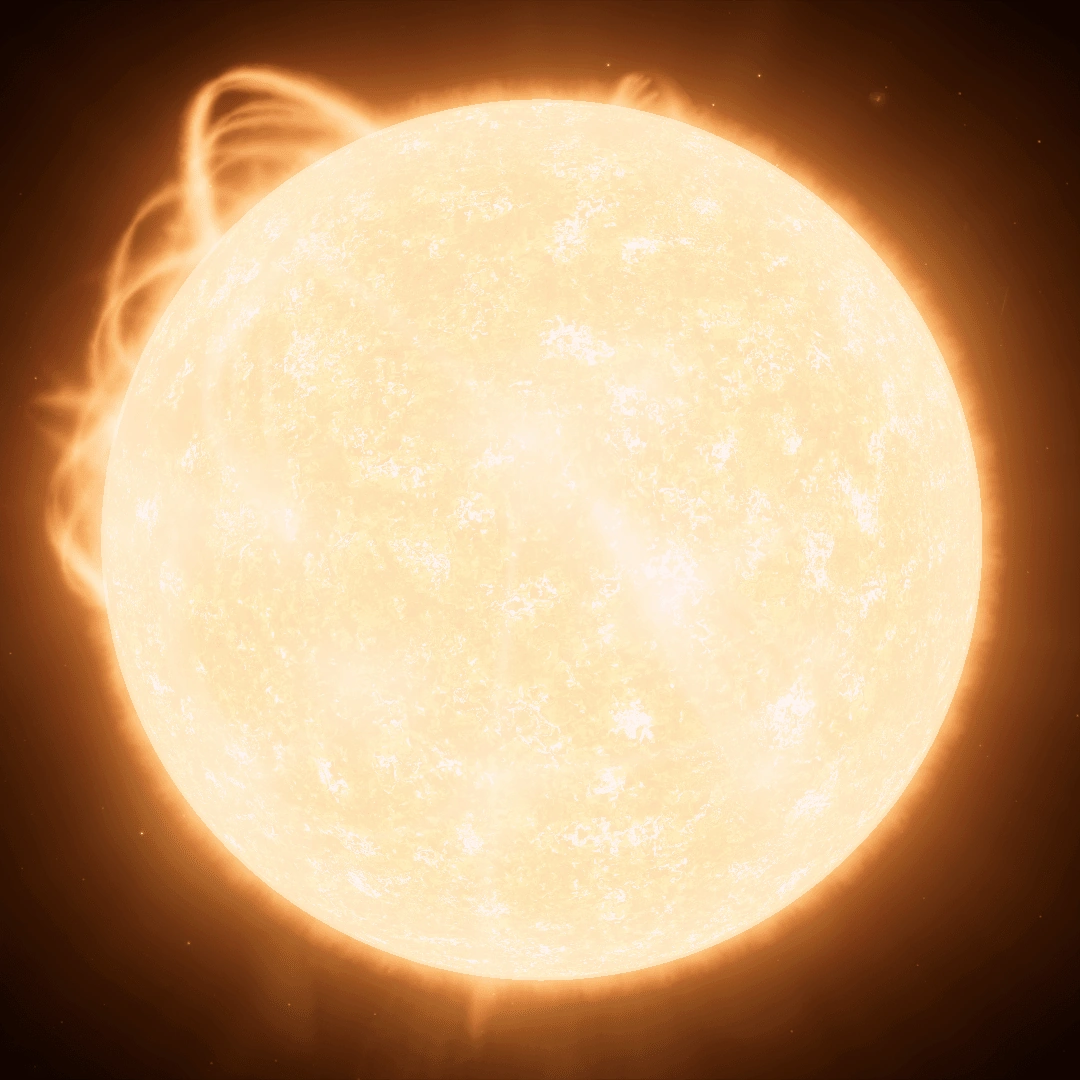 |
| M | Class M stars are red stars that form the bulk of the main sequence stars in the galaxy. Their mass is low, as is their surface temperature. Class M star systems tend to contain many icy bodies and rocky ice worlds. | Yes | Very Common (~46%) | 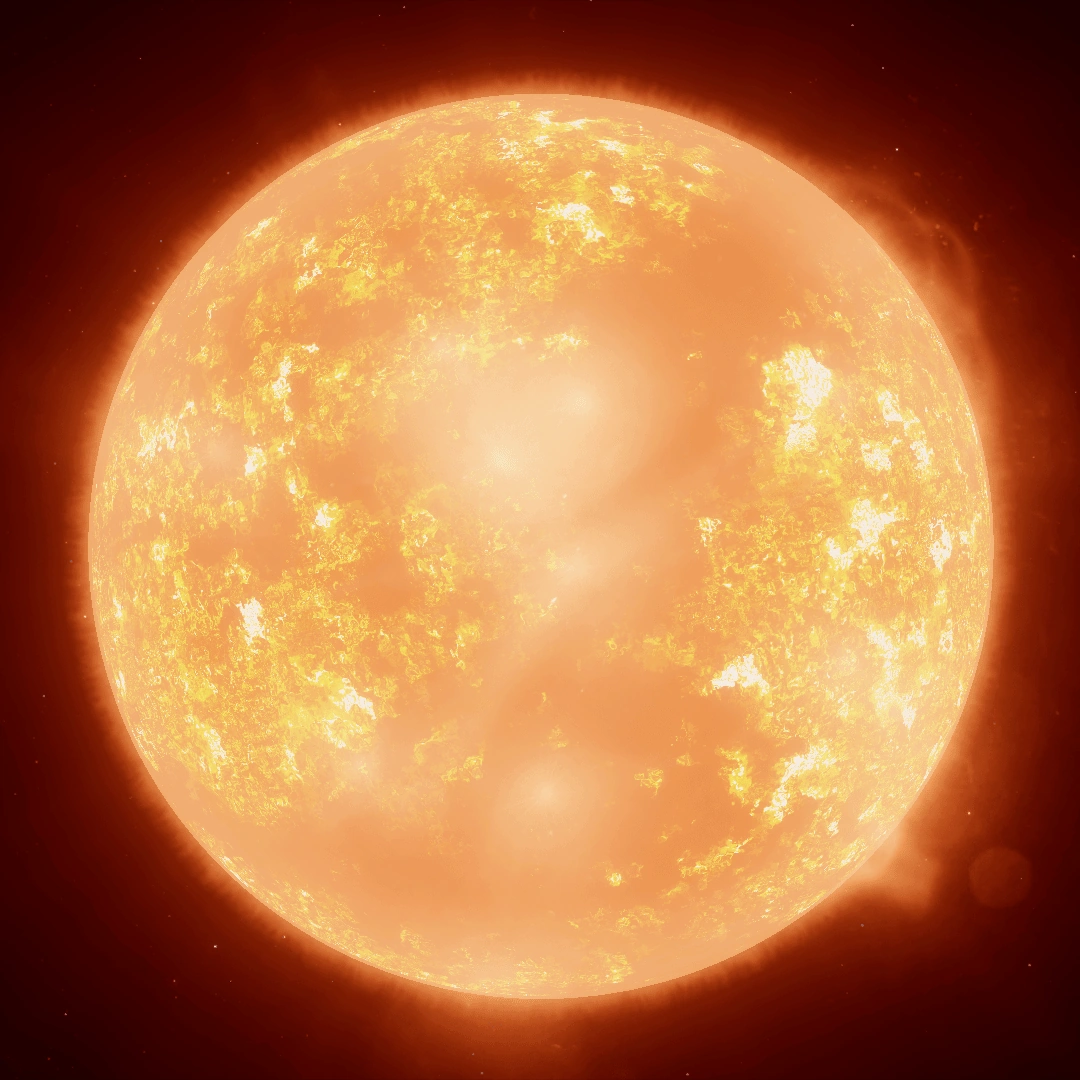 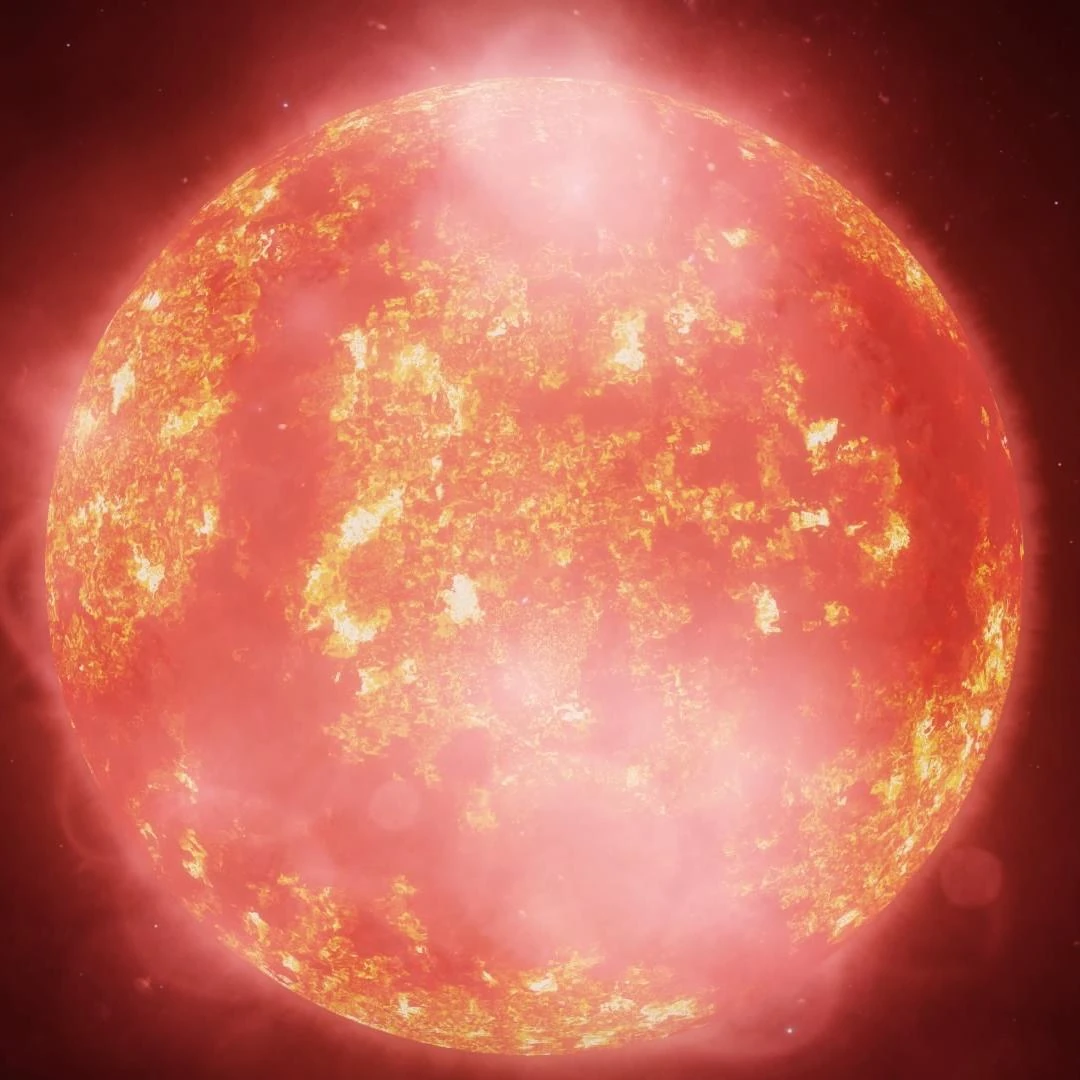 |
O-Type
B-Type
A-Type
F-Type
G-Type
K-Type
M-Type
L-Type
T-Type
Y-Type
PROTO
CARBON
WOLF-RAYET
WHITE DWARF
NON SEQUENCE
Home Systems
Jameson Memorial - all ships, all modules
I Sola Prospect
Brestla
Ray Gateway
Diaguandri
Abraham Lincoln
Sol
Jaques Station
Colonia
- at the edge of the bubble.
- need deep space mining
Hackworth Orbital
Ehecatl
Permits
Sol Permit
Easy Grinding:
Ceos
Sothis
avoid vantage point when doing missions
What stars are scoopable
O, B, A, F, G, K, M
Pasted image 20260116221047.png
Pasted image 20260116221121.png
Pasted image 20260116221126.png